

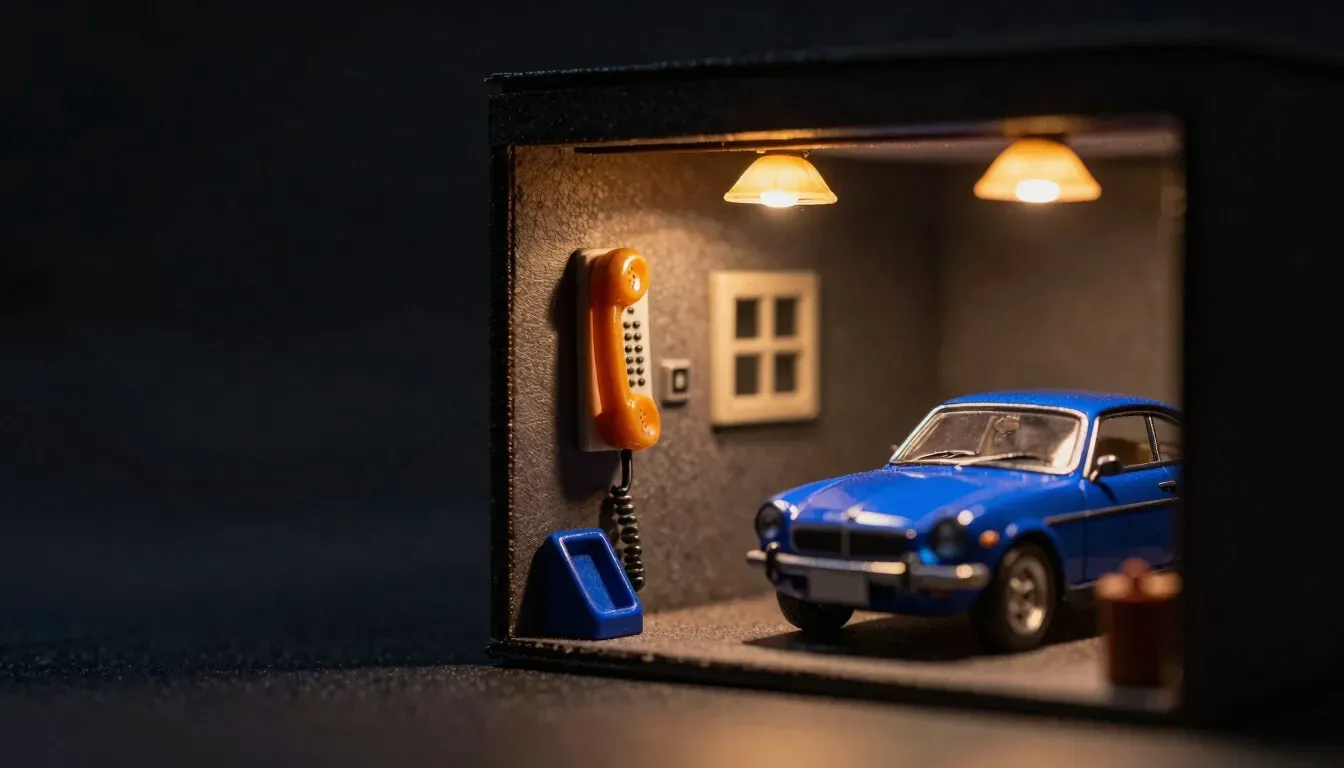
What a detail shop loses while the buffer runs
Two hands on the polisher means zero hands on the phone. The caller does not wait.
The claim, upfront
3 things that decide this
- 01Detailing is hands-busy work, so calls arrive precisely when nobody can answer them, and callers dial the next shop rather than leave voicemail.
- 02Mobile Tech RX puts the average detailing ticket near 160 dollars, and ceramic coating or paint protection work runs into the thousands, so a single missed quote call can outweigh a day of small jobs.
- 03The common question, what would a full detail cost, cannot be answered without seeing the car. Software that collects photos and books an inspection turns that dead-end call into an appointment.
The phone rings when the work is loudest
A one-bay shop with two people working is a shop with nobody free. The polisher is loud, gloves are on, and the phone is across the room. This is not a staffing failure. It is the physics of the trade: the busier the shop, the less answerable the phone, and the busier the shop, the more calls come in.
The industry's own tooling shows how central this pain is. Urable and Mobile Tech RX, the two dominant detailing platforms, both build their workflows around capturing jobs that start as inbound requests. Neither answers your phone.
Why the quote call is the one that gets away
Most detailing calls open with a price question, and honest pricing depends on the car's condition. A dog-hair extraction and a garaged sedan are different jobs under the same words. So the call needs a conversation, photos, or an inspection slot. A missed call delivers none of those, and the caller with three tabs open simply phones the next result.
The stakes climb with the service tier. Ceramic coating and paint protection film jobs commonly run from several hundred dollars into the thousands. Those buyers research more and call more shops, which means the shops that answer collect the premium work.
- 01Condition-dependent pricing turns every quote into a conversation, not a number.
- 02High-ticket ceramic buyers shop around, so response order decides the winner.
- 03A multi-hour booking lost to a no-show or a missed call kills half a day of capacity.
Let software hold the phone and gather the photos
The workable pattern has three parts. Every call gets answered, by an agent that knows your services and hours. Price questions turn into a photo request by text, so condition is visible before anyone quotes. The caller leaves with an inspection or drop-off slot on your real calendar, with a deposit where you require one.
We build this pattern for automotive businesses. ZhoopZhoop, a multi-branch collision shop platform, answers and books customer calls while every technician is under a car. A detail shop is a smaller version of the same problem, with the same fix.
Auto shops that answer every call
What shop owners want to know
01Can an AI receptionist quote detailing work?+
It should not quote condition-dependent work, and that is by design. The right behavior is to explain your price ranges, collect photos by text, and book an inspection. Quoting sight-unseen is how shops lose money on underpriced jobs.
02Is this worth it for a two-person shop?+
The math depends on your ticket size. At an average ticket near 160 dollars, per Mobile Tech RX, recovering two missed bookings a week covers most software costs. For shops selling ceramic and film packages, one recovered call can cover a quarter.
03What about the booking tools I already use?+
Keep them. The phone layer should write into the calendar you already run, whether that lives in Urable, another platform, or a plain calendar. Adding a second scheduling system creates the double-booking problem you are trying to end.
Related
- AI front counter for auto repair →The service page that owns this topic.
- Automotive software development →Shops, dealerships, and the phones they miss.
- Missed calls are silent churn →Why the loss never shows up in a report.
- ZhoopZhoop: AI for a collision shop →Calls answered and booked while technicians work.
