


AI, automation and custom software for law firms, built around the practice management system you already run
You keep Clio, MyCase, PracticePanther, Smokeball or whatever you run. We build the layer around it: the 5:15 inquiry answered and screened, the engagement letter out the same day, the first draft assembled from the matter file, the deadline that can't be missed, the invoice that gets collected. Privilege-safe by design, and we keep it running.
- 4.8 on Clutch across 22 reviews
- PremiumAudit.io: audit cycle cut 75%, calculation errors cut 95%
- In production for SmartREI, Tankaware, ZyloBase, KiwiWrite
What changes for your firm
3 things that decide this
- 01Leads call five firms and hire the first that answers. The After-Hours Intake Desk answers yours, screens it, runs a first-pass conflict check and books the consult, at 5:15pm and at 2am, writing the lead into your intake system with the recording attached.
- 02The work behind the intake runs on its own: the engagement letter out for signature the same day, the first draft assembled from matter facts with a lawyer's review built in, the deadline that escalates before it's missed, the invoice that goes out when the work closes.
- 03Privilege decides the architecture before the roadmap does. Access scoped to the matter, written no-training terms you can produce on request, every vendor named as a recipient, and a private deployment where your clients' obligations require it.
On the record
What you can check before you call
4.8
Clutch rating from client reviews
4
countries our client work runs in: US, UK, Switzerland, Australia
2017
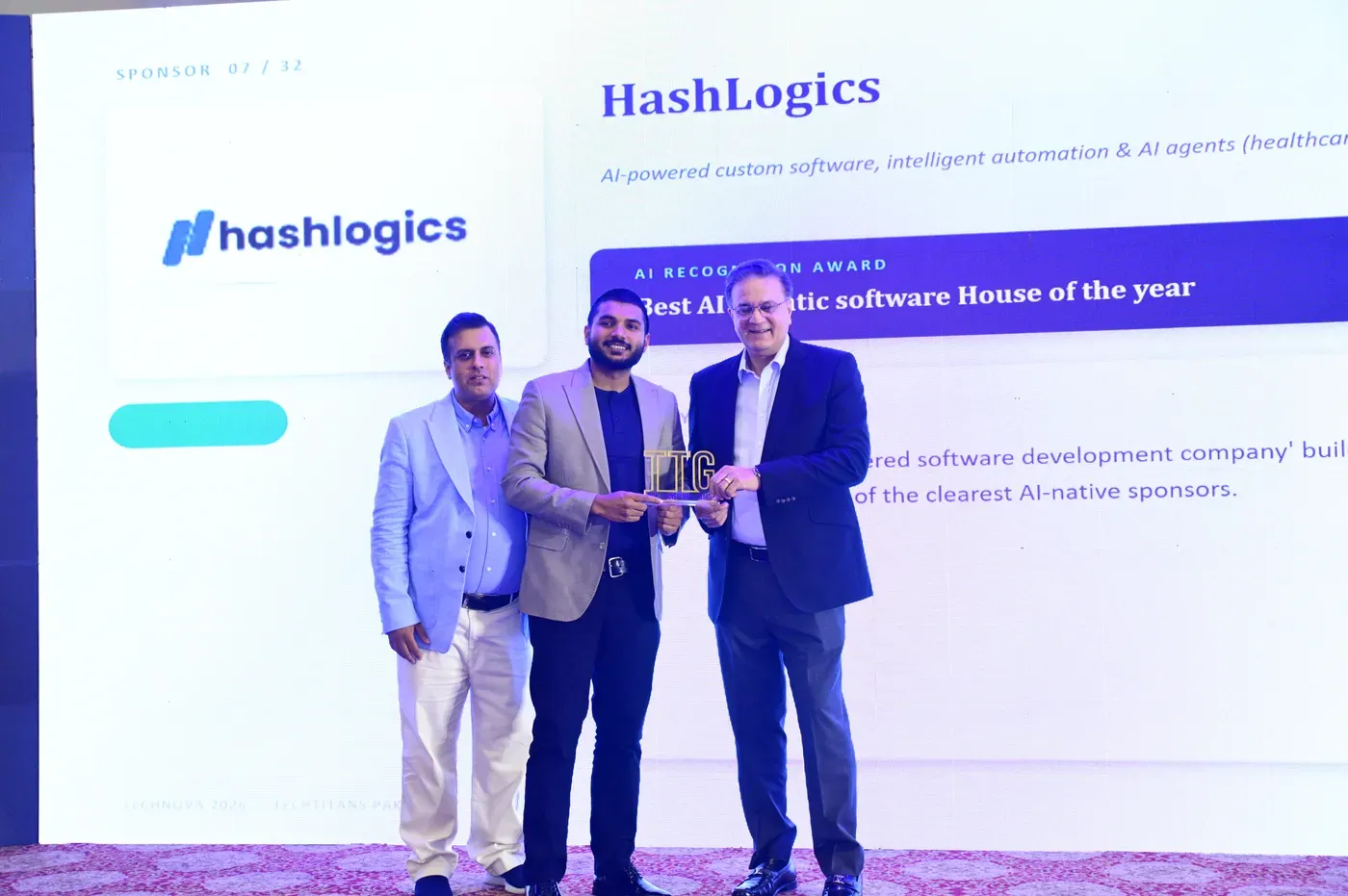
building since. TechNova 2026: Best AI-Native Software House of the Year
2 mo
of support and maintenance free after launch. NDA before the first call
Eight places a firm leaks time and fees, and what we put in each one
Pick the one that's costing you this quarter. Every card keeps the practice management system you already run and adds the AI, automation or custom piece it's missing. The first one is the After-Hours Intake Desk: a named system, not a feature, built to answer the 5:15 call and write it into your PMS.
The After-Hours Intake Desk: be the firm that answers.
Leads call five firms and hire the first that picks up. Calls land on a receptionist between tasks, voicemail, or a service that takes a message, and web forms sit. The After-Hours Intake Desk answers by call, chat or web form, runs your screening questions, does a first-pass conflict check, qualifies by practice area and books the consult, writing the lead into Clio, MyCase, PracticePanther or Smokeball with the recording attached.
The After-Hours Intake Desk for law firms →
Sign faster. Open the matter the same day.
From inquiry to signed engagement is a chain of manual touches: intake form, conflict check, fee agreement, e-sign, retainer invoice, matter opened. We automate the chain off your intake record, with a lawyer's sign-off kept on the fee agreement.
How to automate the engagement letter →
Draft in minutes. Review in minutes. Keep privilege.
Associates build demand letters, motions and contracts from the last similar file. We build a drafting pipeline on your templates and your matter data, with lawyer review designed in and nothing leaving your environment: first drafts from matter facts, clause libraries, redline against the template, a cite-the-source rule.
Document automation for law firms →
Find it once. Find it every time.
The matter lives in six places: email, the DMS, practice management, local drives, a shared folder, someone's head. We index what you already have and answer with the source cited, on your infrastructure with an audit trail, so a new associate doesn't relearn the firm's positions from scratch.
What legal RAG is, and whether a firm needs it →
Nothing missed. Nothing waiting on memory.
Statutes of limitation, court dates and filing deadlines live in the PMS calendar, Outlook and a paralegal's list, and a missed one is the claim that ends a firm. We build workflow on top of your PMS: deadline rules per jurisdiction and matter type, reminders that escalate, stage gates that trigger the next task.
Custom software for law firms →
Bill what you worked. Collect what you billed.
Hours get reconstructed on Friday, billed monthly and never fully collected. We capture time from the work with lawyer approval, send the invoice when the work closes, chase it with payment links and reminders no partner has to send, and show collections by matter and client. Trust accounting stays in your PMS; we read, never write.
Billing automation for law firms →
Know which matters make money.
Partners review realization, WIP, AR and utilization across the PMS, QuickBooks and spreadsheets that disagree, and practice-area margin lives nowhere. We pull them together into dashboards built for a Monday: utilization and realization by lawyer, matter profitability by practice area, intake conversion by source.
Which law firm KPIs actually matter →
Clients who know where their matter stands, and come back.
Clients call for status updates that eat paralegal time; reviews and referrals happen by accident; closed matters never hear from the firm again. We send status updates and run a client portal off the matter record, ask for the review at the right moment, and reach back out by practice area when it's time.
Custom software for law firms →
From the 5:15 inquiry to the paid invoice, and where the machine takes over
Pick your practice management system. Tap a station to see what happens today, what we automate, what stays with a lawyer, and what gets written back.
Station 01 · The 5:15 inquiry (The After-Hours Intake Desk)
- Today
- Your receptionist has left, the lead is calling four other firms, and the voicemail or web form waits for the morning. Most of those leads hire whoever picked up.
- What we automate
- The After-Hours Intake Desk answers in two rings, runs your screening questions by practice area, does a first-pass conflict check against your system, qualifies the matter and books the consult with the lawyer who handles that work.
- What stays human
- Anything urgent goes to a person: an arrest, a deadline tomorrow, a domestic situation, anyone in distress. Your line says so and connects them.
Writes to ClioNew contact and matter-intake record with practice area, source and the recording attached; consult on the calendar.
Station 02 · Intake to engagement
- Today
- Intake form, conflict check, fee agreement, e-sign, retainer request, matter opened: each step waits for someone to have a free half-hour.
- What we automate
- Off the intake record, the engagement letter assembles from your template, goes out for e-signature, raises the retainer request, and opens the matter with the right template the moment it's signed.
- What stays human
- Your responsible lawyer signs off the fee agreement, every time. We tee it up; we don't send it without them.
Writes to ClioMatter opened from the intake, documents and retainer invoice attached.
Station 03 · The first draft
- Today
- An associate opens the last similar file and starts from there. Privilege fear keeps most AI tools out of the building.
- What we automate
- A drafting pipeline on your templates and matter data: the first draft assembled from matter facts and your clause library, redlined against the template, with every generated passage tied to its source. Private deployment where your clients require it.
- What stays human
- A lawyer reviews and owns every draft. Our pipeline produces a reviewed-state document, never a sent one.
Writes to ClioDraft saved to the matter's documents in reviewed or unreviewed state.
Station 04 · The matter file and the firm's knowledge
- Today
- Email, the DMS, the PMS, local drives and a shared folder each hold part of the matter. Nobody finds anything twice.
- What we automate
- An index over what you already have, answering questions about a matter or a precedent with the source cited, scoped to who's allowed to see what, with an audit trail of every query.
- What stays human
- A lawyer decides what the answer means. The system finds and cites; it doesn't advise.
Writes to ClioRead-only index of matter documents and notes; nothing written back.
Station 05 · Deadlines and stages
- Today
- Statutes, court dates and filing windows live in the PMS calendar, Outlook and a paralegal's list. Stages advance by memory.
- What we automate
- Deadline rules per jurisdiction and matter type, reminders that escalate to the responsible lawyer, stage gates that trigger the next task, and one view of what's due this week across the firm.
- What stays human
- A lawyer still decides to file. We make sure the date was never in doubt.
Writes to ClioCalendar entries, tasks and matter stage updated.
Station 06 · Time, invoice, collect
- Today
- Time entries get reconstructed on Friday. Invoices go out monthly. Following up on an unpaid one is awkward, so it waits.
- What we automate
- Time captured from the work with lawyer approval, the invoice out when the work closes, payment links and reminders on a schedule, and a collections view by matter and client.
- What stays human
- Disputes, write-downs and the awkward call stay with a partner. Trust accounting stays in your PMS; we read it, never write it.
Writes to ClioTime entries (approved), invoice and payment status; trust untouched.
Station 07 · Status, review, referral
- Today
- Clients call for updates that eat paralegal time. Reviews get asked for by accident. A closed matter never hears from the firm again.
- What we automate
- Status updates and a portal off the matter record, a review request at the right moment, and reactivation outreach by practice area when it's time.
- What stays human
- Relationships stay human: a partner still picks up the phone for the client who matters.
Writes to ClioCommunication log and matter status.
Every station writes to your system of record, whatever it is. Running an older PMS, a DMS plus spreadsheets, or something your firm had built years ago? The stations are the same; only the write-back changes, and that's the part we build.
A privacy policy decided whether material was privileged
In United States v. Heppner (S.D.N.Y., 10 February 2026), a defendant used a consumer AI tool to research his own case, and the court held the material wasn't privileged. That tool's published terms allowed disclosure and training on inputs, so there was no reasonable expectation of confidentiality, and work product failed on a second ground: nobody had prepared the documents at counsel's direction.
Whether an enterprise tool with no-training terms comes out differently was left open, and left open isn't the same as safe. So two rules are built into everything we ship for a firm: keep the terms retrievable, and keep the direction of counsel on the record. ABA Opinion 512 makes vetting a vendor's security and breach practices part of your own duty, and California asks for more than a vendor's marketing assurances. We'd rather answer those questions before the pilot than after it.
- Access scoped to the matter, never firm-wide.
- Written no-training terms you can produce on request.
- Every vendor in the chain named as a recipient, in writing, before anything is built.

- MatterScoped access, not firm-wide
- PromptDirection of counsel recorded
- EndpointWritten no-training terms
- LoggingEvery vendor is a recipient
- OutputReviewed state, or unreviewed
Sending the prompt to a third party is the disclosure event, not storing it. A tracing vendor, a prompt cache and an eval pipeline each add a recipient, and each one has to be named in writing before the architecture is fixed. This is the diagram we draw on the audit call.
“They will treat your vision like their own and build it that way.”
Ron Klabunde · Founder, SmartREI ↗
“Their attention to detail, quality of employees, and work ethic were outstanding.”
Nicolas de Quesada · CEO, Lexpair
Some of the systems we have shipped
We don't replace Clio, MyCase, PracticePanther or whatever you run. We build what they won't.
Every practice management system is good at the job it was built for, and most firms we talk to describe the same gaps around it: the inquiry nobody answered, the drafting that starts from the last file, the deadline on a list, the invoice that waits, and the numbers that live in three places. Those gaps are what we build, on top of whatever you already run.
So the access model matters more than the brand. Clio, MyCase, PracticePanther and Smokeball each expose contacts, matters, calendars, documents and billing through their APIs to different depths, and we confirm exactly what your account exposes during the audit, before anyone estimates. Running an older system, a DMS plus spreadsheets, or something built years ago? We write into that instead.
- 01Intake, matter and calendar write-back into your PMS, with the recording attached.
- 02Your DMS stays your DMS; we index and cite, we don't move files.
- 03Trust accounting is read-only to us, always.
- AuditFree. We read last month's inquiries by hour and outcome, your intake-to-engagement chain, and where drafting starts from scratch.
- DiagnoseWe map the path into your PMS and sit with your intake desk and one practice group for an afternoon.
- BuildFixed price per milestone from the Blueprint. Tested on your real matters, with privilege terms written before we start.
- RunMonitoring, a named engineer, and the first two months of maintenance free.
Best fit: five or more lawyers, an intake desk or a receptionist, and a PMS you've outgrown in places. Not a fit: a solo who's happy with their tools, who's better served by a subscription. You can stop after any stage, and the audit report is yours either way.
Before you book
01Is it safe to use AI on client matters?+
It can be, and the safety is in the architecture, not the model. Access scoped to the matter, no-training terms in writing that you can produce on request, every vendor in the chain named as a recipient, direction of counsel recorded, and a private deployment where your clients' obligations require it. Heppner is the case to read: a consumer tool's terms cost a litigant his privilege. We design so that can't happen to your firm.
02Do we have to leave Clio, MyCase, PracticePanther or whatever we run?+
No, and we'd usually tell you not to. You keep the system your firm knows. We build the layer around it: the intake that books into it, the drafting that saves into it, the workflow and dashboards it doesn't have. We only suggest replacing a system when it genuinely can't do the job, and we'll show you why.
03Can an AI assistant send emails or file documents for us?+
It can prepare them; a lawyer sends and files. Every pipeline we build produces a reviewed-state document, with the responsible lawyer's approval as a gate, because the duty can't be delegated and neither can the signature.
04Will this let our lawyers bill more?+
It lets them bill what they actually worked, which for most firms is the bigger number. Time captured from the work with approval, invoices out when the work closes, and follow-up that doesn't need a partner's attention. Whether that's more hours or the same hours collected faster depends on your firm, and the audit shows you which.
05How do we vet you as an AI vendor?+
Exactly the way Opinion 512 asks you to. We'll give you our terms, our subprocessor list, where data travels and who can see it, and a written answer to every security question your clients impose on you, before anything is built. If we can't answer one, that's the audit doing its job.
06Our matter data lives in systems that don't talk to each other. Is that a problem for AI?+
It's the usual starting point, and it's what the matter-file index is for: it reads what you already have, where it already is, and answers with the source cited. You don't consolidate first; you index, scope access, and keep the audit trail.
07We're eight lawyers. Too small for this?+
It's about the size where it starts to pay: enough inquiries that the misses cost you matters, and a desk that can't cover evenings. Under five lawyers and no intake desk, a subscription intake or answering tool is usually the honest answer, and we'll say so on the audit call.
08What's the free audit, and what does the build cost?+
Yes, the audit is free. We read last month's inquiries by hour and outcome, trace your intake-to-engagement chain, find where drafting starts from scratch, and write down where client data would travel in any automation. You keep the one-page map and the privilege-safe architecture note either way. Your build is a fixed price per milestone set in the Blueprint, never a guess on the first call.
09Should we just buy Smith.ai, Lawtte, Intaker or a similar intake product instead?+
For plenty of firms, yes. Smith.ai and similar answering services staff the phone well and are the right call if you need the line picked up and a message taken competently. Intaker, Lawtte, Clientintake.io and Eve are built for firms whose screening is close to generic: a form-style intake flow with common practice-area branches, run mostly as configured. You outgrow that category when your screening and conflict rules stop fitting a menu, when the booking has to land inside Clio, MyCase, PracticePanther or Smokeball without someone re-keying it, or when you run more than one practice area or office off one line. The After-Hours Intake Desk is built around your rules and your PMS rather than configured from someone else's template, and we'll tell you on the audit call if a packaged product is the better buy for your volume.
10Can the After-Hours Intake Desk write directly into Clio?+
Yes, to the depth Clio's API exposes for your account: contacts, matter intake, practice area, source and the recording attach to the record, and the consult lands on the right lawyer's calendar. We confirm exactly what your Clio account allows during the audit, before anything is estimated, and the same write-back pattern runs for MyCase, PracticePanther and Smokeball. Trust accounting stays read-only to us in every case.
A senior engineer, not a sales rep
Abdul Basit founded Hashlogics in 2017, and the team runs from Lahore with a US LLC. Clients rate the work 4.8 on Clutch across 22 reviews, and in 2026 it was named Best AI-Native Software House of the Year at TechNova.
Your audit call is with an engineer who has read intake logs and matter workflows before, and it isn't a slide deck. Bring last month's inquiry report and your engagement-letter template if you have them.
- NDA before the first conversation.
- No pitch on the call. A report you could hand to another firm.
- Fixed price per milestone from the Blueprint, so the number isn't a guess.
More for law firms
- AI intake for law firms →The 5:15 inquiry answered, screened, conflict-checked and booked.
- Document automation for law firms →First drafts from the matter file, lawyer review designed in, privilege kept.
- Billing automation for law firms →Time captured, invoices out, collections that don't need a partner.
- Custom software for law firms →Deadlines, workflow, dashboards and the client portal your PMS won't give you.
- Best legal practice management software →An honest roundup, with us last as the layer on top.
- Best AI intake software for law firms →The packaged intake tools, ranked.
- Clio vs MyCase for law firms →Which one, for which firm, and what neither does.
- Clio alternatives for law firms →Who should leave, who shouldn't, and the third option.
- Legal AI: build vs buy →When a subscription is enough and when it isn't.
- The Clio API: what a real integration involves →Access model, write-backs, and what breaks.
- How fast should a law firm respond to leads? →The five-minute window, and what it takes to hit it.
- Is AI intake safe for a law firm? →Conflicts, confidentiality and what the intake line may say.
- Is legal AI safe for client confidentiality? →Private deployment, audit trail, where client data travels.
- How to automate the engagement letter →Intake to signed, the same day.
- How to automate legal drafting with AI →Templates, matter data, and the review gate.
- What is legal RAG, and does a firm need it? →The matter file, indexed and cited.
- Tracking deadlines without a paralegal's list →Rules per jurisdiction, reminders that escalate.
- How to collect law firm invoices faster →Links, reminders and the collections view.
- Which law firm KPIs actually matter →Realization, utilization, margin by practice area.
- Where law firm leads actually leak →The inquiry that called four other firms.
- Legal AI should route, not advise →What the intake line may and may not say.
- The 5:15 inquiry: the law firm call nobody answers →The anchor story.
- The matter file lives in six places →Email, DMS, PMS, drives, folders, heads.
