


AI, automation and custom software for clinics and practices, built around the EHR or PMS you already run
You keep athenahealth, eClinicalWorks, Epic, Dentrix, Open Dental, ezyVet or whatever you run. We build the layer around it: the 4:50 new-patient call answered and booked, reminders and recall that actually run, eligibility and prior auth done before the patient arrives, claims scrubbed and denials worked, and the owner's numbers in one place.
- 4.8 on Clutch across 22 reviews
- PremiumAudit.io: audit cycle cut 75%, calculation errors cut 95%
- In production for SmartREI, Tankaware, ZyloBase, KiwiWrite
What changes for your practice
3 things that decide this
- 01New patients book whoever answers first, and a front desk that's checking someone out can't. Your line answers, screens by your rules, books into your schedule and verifies the basics, at 4:50pm and on Saturday, with clinical and emergency calls going to a person.
- 02The work around the visit runs on its own: reminders by appointment type, the empty slot backfilled from the waitlist, eligibility and prior auth done before the patient arrives, the claim scrubbed before it goes out, the denial in a work queue the same day.
- 03PHI decides the architecture before the roadmap does. A BAA with every vendor in the chain, access scoped to role and patient, de-identification where a model is involved, and an audit trail your compliance officer can read.
On the record
What you can check before you call
4
countries our client work runs in: US, UK, Switzerland, Australia
2017
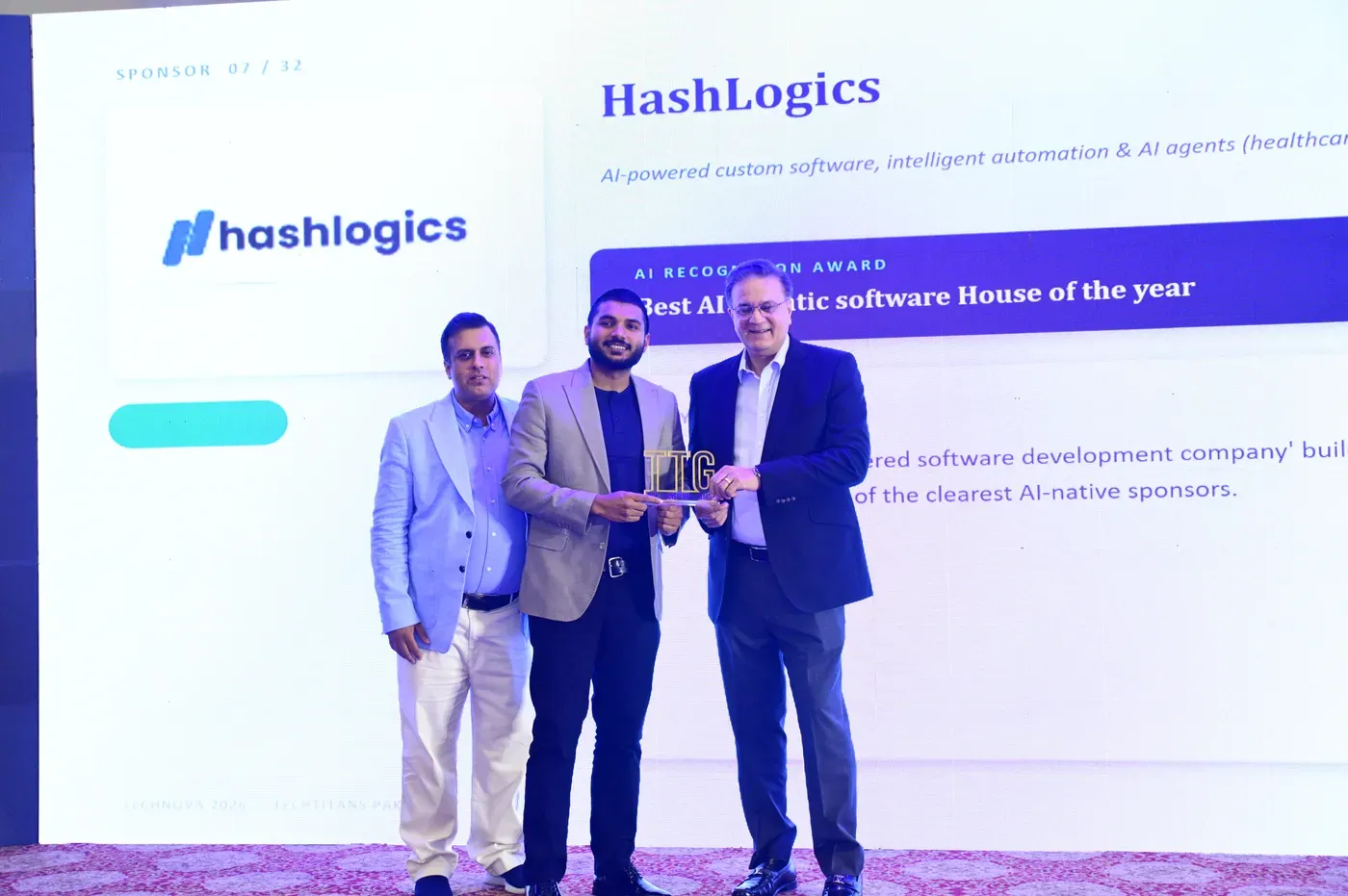
building since. TechNova 2026: Best AI-Native Software House of the Year
2 mo
of support and maintenance free after launch. BAA and NDA before the first call about real data
Eight places a practice leaks time and revenue, and what we put in each one
These are the eight areas our sales team and our audits keep finding, in the order a patient meets them. Each links to the page that owns it.
Be the practice that answers. Fill the chair.
Front desks miss a large share of inbound calls while they're busy with the patient in front of them, and after-hours goes to voicemail. We add an AI front-desk line that answers, screens by your rules, books into your schedule and verifies the basics, and sends anything clinical or urgent to a person.
AI front desk for practices →
Empty slots backfilled. Recalls that actually run.
No-shows sit in the teens for most practices and recall lists never get worked across locations. We run reminder and confirmation sequences by appointment type, backfill an open slot from the waitlist, and run recall and reactivation from the records you already hold.
How to reduce no-shows with automation →
Verification done before the patient arrives.
Insurance verification runs 12 to 20 minutes a patient by phone and portal, and prior auths go out by fax. We automate eligibility before the visit, verification into your PMS, and prior-auth packets assembled from the chart and tracked to decision, with a person on the exceptions.
RCM automation for practices →
Chart once. Type nothing twice.
Your EHR does most of the job and your staff copy the rest between systems. We build the integrations your vendor won't (FHIR, HL7, the vendor's own API), intake that lands in the chart, and documentation that goes into your template with the clinician's sign-off.
EHR integration for practices →
Clean claims out. Denials worked. Balances collected.
Claims go out late, denials get worked when someone has time, and patient balances sit. We scrub claims against payer rules before submission, queue denials by reason and dollar, send statements and payment links on a schedule, and build the RCM view across your PMS, clearinghouse and accounting.
RCM automation for practices →
Same standard at every location, without hiring for it.
Every location answers the phone and runs recall differently, and the knowledge leaves with the receptionist who leaves. We put the standard work in software: a shared phone brain, shared recall rules, and dashboards by site.
Custom software for practices →
Know which chair, which payer and which source make money.
Production, collections, no-show rate, new-patient source and payer mix live in the PMS, the clearinghouse and QuickBooks, and they disagree. We build the practice dashboard across them, read-only, custom where no report exists.
Which practice KPIs actually matter →
Patients who know what's next, and come back.
Patients call for results, forms and balances, and reviews happen by accident. We add two-way messaging off the record, a portal that does what yours won't, review requests at the right moment, and reactivation by visit type.
Custom software for practices →
From the 4:50 call to the next visit, and where the machine takes over
Seven stations of a practice's day. Pick your system to see what each step writes back; Epic, Open Dental, Cornerstone and the rest follow the same pattern to the depth their access model allows.
Station 01 · The 4:50 call
- Today
- A new patient calls while the front desk is checking someone out. It rings through, goes to voicemail, and they book with the practice that picked up.
- What we automate
- Your line answers in two rings, asks what your best front-desk person would ask, screens by your rules, checks the basics of coverage, and books into a real open slot with the right provider.
- What stays human
- Anything clinical or urgent goes to a person before the caller finishes the sentence: chest pain, a child who can't breathe, a dog that ate something, a patient in distress. Your line says so and connects them.
Writes to athenahealthPatient record and appointment on the schedule with notes and the recording attached.
Station 02 · Reminders, recall and the empty slot
- Today
- One generic text the day before, no-shows in the teens, and a recall list someone means to run every quarter.
- What we automate
- Reminder and confirmation sequences by appointment type, a waitlist that backfills a cancelled slot within minutes, recall and reactivation campaigns from the records you already hold, and deposits where your policy allows.
- What stays human
- Your office sets the rules and handles the patient who argues with them. It proposes and sends; your front desk decides the exceptions.
Writes to athenahealthAppointment status, confirmations and recall flags on the patient.
Station 03 · Eligibility, verification and prior auth
- Today
- Verification by phone and portal, 12 to 20 minutes a patient; prior auths by fax, around 13 staff hours a week per physician by the surveys practices quote; denials later for the ones that were wrong.
- What we automate
- Eligibility checked before the visit from the clearinghouse and payer portals, verification written into your PMS, prior-auth packets assembled from the chart and tracked to decision, with a work queue for the ones that need a human.
- What stays human
- A billing coordinator clears the exceptions and talks to the payer when it takes a person. Medical necessity is a clinician's call.
Writes to athenahealthInsurance and eligibility fields updated; prior-auth status on the encounter.
Station 04 · The visit and the chart
- Today
- Your clinicians chart after hours, intake forms get re-typed into the EHR, and the lab, imaging and referral systems talk to the EHR through a person.
- What we automate
- Intake that lands in the chart without re-keying, documentation drafted into your own template from the encounter, and the integrations your vendor won't build: FHIR and HL7 where they exist, the vendor's API where it doesn't, a reviewed queue where neither does.
- What stays human
- Your clinician signs every note and makes every clinical decision. Drafting is assistance; the signature is theirs.
Writes to athenahealthEncounter documentation in your template, pending signature.
Station 05 · Claim, denial, statement
- Today
- Claims go out in a batch when someone has time, denials sit, and the patient statement goes out a month later to someone who's forgotten the visit.
- What we automate
- Claims scrubbed against payer rules before they leave, denials queued by reason and dollar the day they land, statements and payment links on a schedule, and a collections view by payer and patient.
- What stays human
- Appeals and the awkward patient-balance conversation stay with a person. We never post a payment without one.
Writes to athenahealthClaim status, denial reason and payment status on the encounter.
Station 06 · The owner's numbers
- Today
- Production, collections, no-show rate, new-patient source and payer mix pulled by hand from three systems that disagree, once a quarter, by the person who has the least time.
- What we automate
- Dashboards across the PMS, the clearinghouse and accounting: production and collections by provider, schedule utilisation, no-show and recall rates, new-patient conversion by source, denial rate by payer, refreshed on a schedule.
- What stays human
- What to do about the numbers is a practice decision. We make them visible and trustworthy; you decide.
Writes to athenahealthRead-only. Nothing written back.
Station 07 · Results, forms and the next visit
- Today
- Patients call for results and forms, the portal is the EHR's afterthought, reviews happen by accident, and lapsed patients never hear from you.
- What we automate
- Two-way messaging off the record for forms, results-ready and balances, a portal that does what yours won't, a review request at the right moment, and reactivation by visit type when it's time.
- What stays human
- Results are explained by a clinician, always. It says they're ready; it doesn't interpret them.
Writes to athenahealthCommunication log and portal activity on the patient.
Each station links to the page that owns it. The clinical decision stays with the clinician at every one.
Where patient information travels is the first design decision, made on paper, with your compliance officer
Most practices we talk to have had an AI tool vetoed by compliance, and the veto was usually right: the vendor couldn't say where the data went, wouldn't sign a BAA that covered every party in the chain, or trained on inputs. So every build starts with a one-page PHI map: which system holds what, which vendor touches it, which region, what's logged, what's retained, and which fields get de-identified before a model ever sees them.
What follows is simple to state, and we put it in writing. A BAA with every business associate in the chain before any PHI moves. Access scoped to the role and the patient, never practice-wide. No training on your data. An audit trail of who saw what. And the clinical decision, the diagnosis and anything that touches care stays with a clinician; the software schedules, verifies, drafts and reminds.
- 01BAA with every vendor in the chain, signed before anything is built.
- 02PHI scoped to role and patient; de-identified where a model is involved; audit trail on every access.
- 03The clinical decision stays with the clinician; the software schedules, verifies, drafts and reminds.
The same eight areas, in your practice's words
Each segment page speaks the trade's language: the systems it runs, the calls it takes, the numbers its owners watch.
Dental practices
Dentrix, Eaglesoft, Open Dental or whatever you run. A missed new-patient call, an empty hygiene slot, insurance verification that eats the coordinator's morning.
AI and automation for dental practices →
Medical clinics
athenahealth, eClinicalWorks, Epic, NextGen or whatever you run. Prior auth by fax, intake re-keyed three times, recall that never runs across locations.
AI and automation for medical clinics →
Veterinary practices
ezyVet, Cornerstone, AVImark or whatever you run. Two hundred calls a day, a receptionist gone every two years, techs on the phone instead of in the treatment room.
AI and automation for veterinary practices →
Behavioral health
Intake and scheduling with the privacy bar higher still, and the no-show problem every therapist knows.
Behavioral health software →
Home care
Scheduling, visit verification and documents across a workforce that's never in the office.
Home care software →
Med spas
A 9pm injectables inquiry, a blown consult slot, and a booking stack that doesn't talk to the EMR.
Med spa software →
Pharmacies
Refill calls, prior auths and the inventory that lives in two systems.
Pharmacy software →
Telemedicine and virtual care
The visit that happens on a screen: intake, scheduling, documentation and the compliance bar that doesn't drop because the room did.
Telemedicine software →
Clinical research
For sponsors and CROs: trial matching and regulated clinical AI, the TrialTriage shape.
Clinical research software →
Published evidence, not our numbers
Why the bar is higher when software touches care
0.63
Measured AUC of a widely deployed sepsis model, against a vendor claim of 0.76 to 0.83 (Wong et al., JAMA Internal Medicine, 2021)
41s
Time saved per note by the better of two ambient AI scribes in a 238-physician randomised trial (Lukac et al., NEJM AI, 2025)
37 of 92
Published prediction studies that used post-discharge diagnosis codes as inputs, a known flaw (Ramadan et al., JAMA Network Open, 2025)
- ValidatedScores well on the test set.
- DeployedClinicians start trusting it.
- Inputs moveNew assay, new coding, new case mix.
- Still answeringNo error. No alert. Same speed.
- Trust erodesStaff quietly start overriding it.
- Switched offMonths later, by a human who noticed.
It's why the operational work on this page (phones, scheduling, verification, claims) is where most practices should start with AI, and why anything nearer to care ships with monitoring, an audit trail and a clinician's sign-off designed in. TrialTriage, our oncology trial-matching system, was built that way.
“They will treat your vision like their own and build it that way.”
Ron Klabunde · Founder, SmartREI ↗
“I am extremely happy with the results and would highly recommend Hashlogics to anyone.”
Daniel Khin · CEO, PremiumAudit.io
Some of the systems we have shipped
We don't replace athenahealth, Dentrix, ezyVet or whatever you run. We build what they won't.
Every EHR, PMS and PIMS is good at the job it was built for, and most practices we talk to describe the same gaps around it: the call nobody answered, the recall list nobody ran, the verification done by hand, the report rebuilt in a spreadsheet. Replacing the system doesn't close those gaps; it moves them.
So the access model matters more than the brand. athenahealth, eClinicalWorks, Epic, Dentrix, Open Dental and ezyVet each expose patients, schedules, documents and billing through APIs, FHIR endpoints or exports to different depths, and some need a vendor programme to get in. We confirm exactly what your account exposes during the audit and design to it, and where the API stops we build a reviewed queue your staff accept with one click rather than re-type.
- 01Appointment, patient and intake write-back into your system, with the recording attached.
- 02Your EHR stays the chart; we draft into it, we don't replace it.
- 03Payments are posted by your staff, never by the system.
- AuditFree. We read last month's calls by hour and outcome, your no-show and recall numbers, verification minutes per patient, and the manual work around the EHR.
- DiagnoseWe map the path into your EHR or PMS, sit with your front desk and billing for an afternoon, and write the PHI map.
- BuildFixed price per milestone from the Blueprint. BAA signed first. Tested on your real schedule and real claims, de-identified where it should be.
- RunMonitoring, a named engineer, and the first two months of maintenance free.
Best fit: a practice or group with two or more providers, a front desk that's saturated, and an EHR or PMS you've outgrown in places. Not a fit yet: a solo provider who needs the phone picked up, and we'll say so. You can stop after any stage; the audit note is yours either way.
Before you book
01Is it HIPAA compliant?+
Our architecture is, and we put it in writing before anything is built: a BAA with every vendor in the chain, PHI scoped to role and patient, de-identification where a model is involved, no training on your data, an audit trail of every access, and a one-page map of where patient information travels that your compliance officer signs off. HIPAA doesn't certify software; it makes you responsible for how it's built, which is why we show you.
02Do we have to leave our EHR or practice management system?+
No, and we'd usually tell you not to. You keep the system your staff know. We build the layer around it: the line that books into it, the verification that writes to it, the documentation that drafts into it, the dashboards it doesn't have. We only suggest replacing a system when it genuinely can't do the job, and we'll show you why.
03Can an AI answer a medical practice's phone safely?+
For the operational calls, yes, with the escalation rules designed first. Your line books, reschedules, verifies the basics and answers the questions you've written answers for; it never gives clinical advice. Anything clinical or urgent goes to a person immediately, by a trigger list you write. That list is the first thing we build and the first thing we test.
04Will this replace our front desk?+
It takes the phone load off them. Practices tell us the front desk spends most of the day on the phone and still misses a share of calls while helping the patient in front of them, and that they can't hire their way out of it. Your line handles the routine calls; your people handle the patients in the room and the calls that need a person.
05Can you integrate with Epic, athenahealth, Dentrix or our PIMS?+
To the depth your account exposes, and we confirm that during the audit rather than promising it on a call. Each vendor has its own access model: FHIR endpoints, a marketplace programme, a partner API, or exports. We design to what's actually there, and where it stops we build a reviewed queue your staff accept with one click.
06We're a two-dentist practice. Too small for this?+
Probably not for the phone and recall work, which is where a small practice feels it most, and probably yes for a full RCM build. Our audit is free and we'll tell you honestly which pieces would pay for themselves at your size. A solo provider who just needs the phone picked up should use a packaged service, and we'll say so.
07How do you keep patient data out of a model provider's hands?+
By deciding what the model sees. Fields that identify a patient are removed or tokenised before a model is involved, the model runs under a BAA or inside your environment, nothing trains on your data, and the mapping back to the patient happens in your system, not the model's. That's written into the PHI map before the pilot.
08What's the free audit, and what does the build cost?+
It's a free call and a workflow review: last month's calls by hour and outcome, no-show and recall numbers, verification minutes per patient, prior-auth hours, and the manual work around the EHR. You get a one-page map of where the hours go and a build order. Build pricing is fixed per milestone in the Blueprint, and the first two months of maintenance are free.
A senior engineer, not a sales rep
Abdul Basit founded Hashlogics in 2017, and the team runs from Lahore with a US LLC. Clients rate the work 4.8 on Clutch across 22 reviews, and in 2026 it was named Best AI-Native Software House of the Year at TechNova. TrialTriage, an AI clinical-trial matching system for oncology, is one of the systems we built and can show you.
Your audit call is with an engineer who has read call logs, schedules and denial reports like yours. Bring last month's numbers if you have them, and we'll work from those.
- BAA and NDA before the first conversation about real data.
- No pitch on the call. A note you could hand to another vendor.
- Fixed price per milestone from the Blueprint, so the number isn't a guess.
More for practices
- AI front desk for practices →The 4:50 call answered, screened and booked; reminders and recall that run.
- RCM automation for practices →Eligibility, verification, prior auth, clean claims, denials worked.
- EHR integration for practices →FHIR, HL7 and vendor APIs; intake and documentation into the chart.
- Custom software for practices →Multi-location operations, dashboards, portal and patient communication.
- HIPAA-compliant development →The PHI map, the BAA chain and how we build for regulated data.
- Best medical answering services for clinics →Human and AI services, ranked, with us last as the layer on top.
- Epic integration: what a real build involves →FHIR, the vendor programme, and what that means for a build.
- How to automate prior authorization →From the chart to the payer decision, with a person on the exceptions.
- AI medical scribe: what it takes to chart into your EHR →Ambient documentation, your template, the clinician's signature.
- Clinical trial software →For sponsors and CROs: trial matching and regulated clinical AI.
- HIPAA software compliance guide →The checklist your compliance officer will ask for.
- Telemedicine software →The visit that happens on a screen: intake, scheduling, documentation and the compliance bar that doesn't drop
- Clinical research software →For sponsors and CROs: trial matching and regulated clinical AI, the TrialTriage shape.