

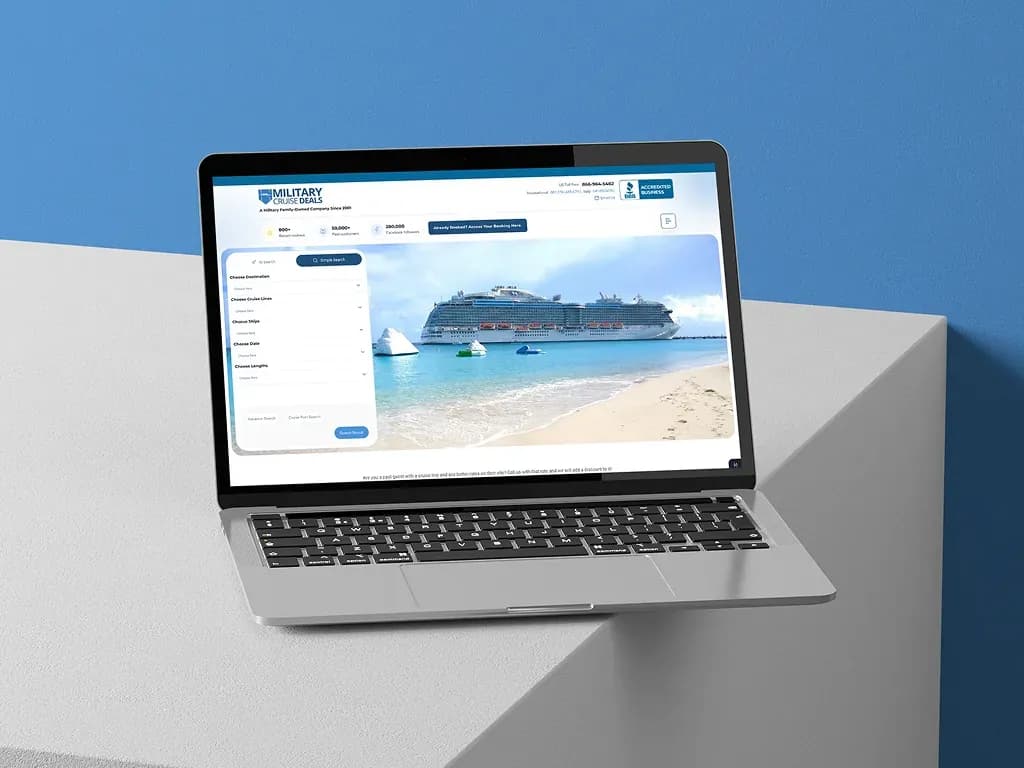
Cruise Search AI
Find the right cruise by just describing it.
AI cruise discovery for military and veteran travelers.
Key takeaways
4 things that decide this
- 01Hashlogics built an AI cruise-matching module for militarycruisedeals.com that turns plain-language requests into validated cruise searches.
- 02The agent asks short clarifying questions, then converts each request into checked ship, port, and date filters.
- 03Every conversation ends in one clickable results link pointing to the client's own search engine.
- 04It runs on FastAPI and LangGraph with Redis session state, embedded as a widget in the client's existing WordPress site.
- Client
- Military Cruise Deals
- Industry
- Travel & Hospitality
- Region
- United States
- Engagement
- B2C · assisted cruise booking · Embedded AI search module
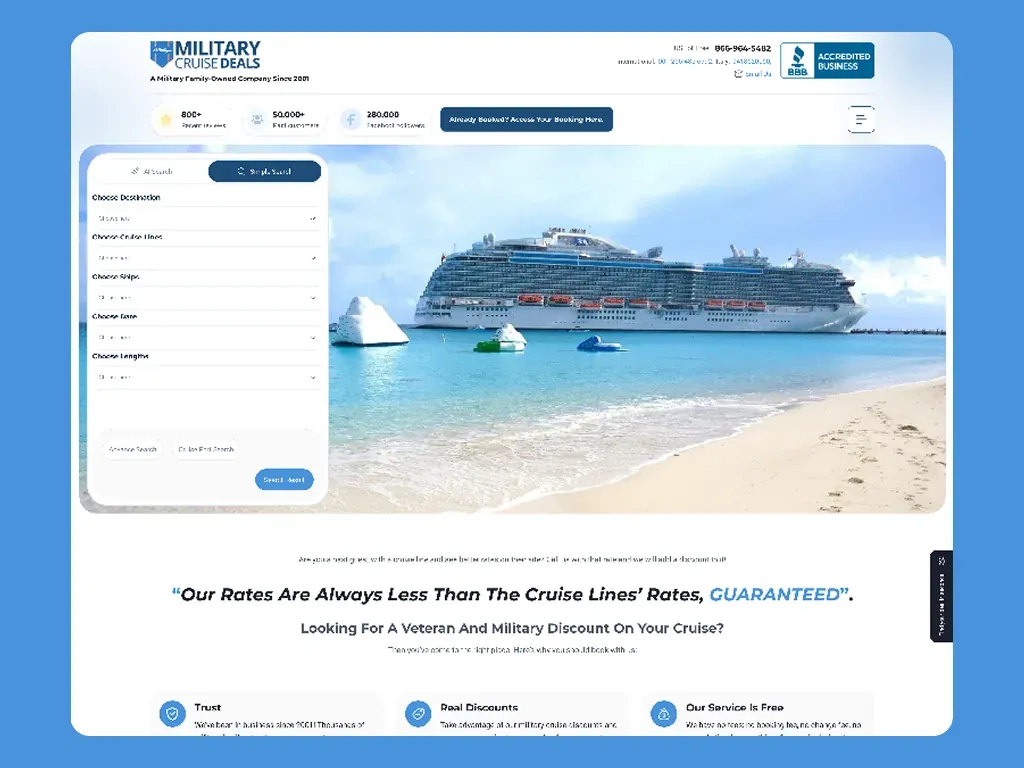
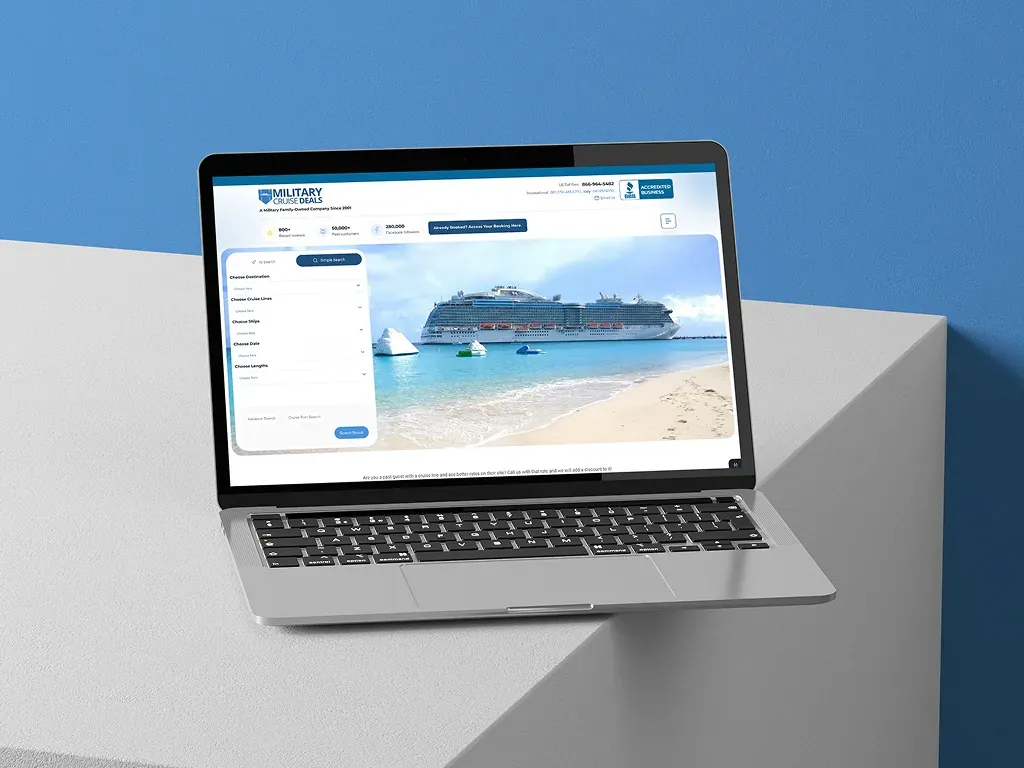
We built an AI cruise-matching module for militarycruisedeals.com, the client's existing WordPress site. Instead of scrolling long listings, travelers describe what they want in plain words. The AI asks a few short follow-up questions. It turns the request into checked search filters for ships, ports, and dates. Then it returns one clean results link to the client's own search engine.
The problem we set out to solve.
Customers searched in vague, conversational ways and changed their criteria midway.
Long, scroll-heavy listings made the site hard to use.
Mismatched filters produced false "no results" pages that lost bookings.
Date handling had to follow strict departure-window rules to stay accurate.
What success needed to look like
- Let customers search the way they naturally talk, not fill out a rigid filter form.
- Stop false "no results" outcomes caused by mismatched filters.
- Hand back one clean results link instead of a long, scroll-heavy list.
- Give the team visibility into what customers are actually searching for.
How we delivered it.
- 01
Diagnose
Traced real search sessions. Found where vague requests, mismatched filters, and session carryover produced false "no results" pages.
- 02
Design
Designed the clarifying-question flow and the rules for turning conversational intent into validated ship, port, and date parameters.
- 03
Build
Built the FastAPI and LangGraph agent with Redis session state, then embedded it as a widget inside the client's existing WordPress site.
- 04
Launch
Connected the chatbot to the client's existing cruise search engine so every conversation ends in one clickable results link.
- 05
Run
Added an admin dashboard for reviewing recent searches and put controls in place to keep OpenAI usage reliable.
What we built.
We built a conversational cruise-search module inside the client's WordPress site. It asks short clarifying questions. Then it turns intent into checked filters for ships, ports, and dates. It checks each request against real ship, port, and date options. Travelers get one clickable results URL that points to the client's own search engine. An admin dashboard lets the team review recent searches, and controlled AI usage keeps costs and reliability in check.
Tech stack
- WordPress (custom module)
- FastAPI
- LangGraph
- Redis
- AWS EC2
Integrations
- OpenAI API
- Client's cruise search engine
A good search assistant does more than answer questions. It turns a vague, chatty request into a precise, valid search every time. If your product buries customers in filters instead of listening to what they actually want, this is the pattern to copy.