


Hire Claude developers
Engineers who have taken Claude past the demo and kept it running afterwards.
What you get
4 things that decide this
- 01Senior engineers only. Claude work fails on prompt design and evaluation judgement, which is not a junior skill.
- 02Production experience with the Claude API, the Agent SDK and MCP, in systems that have real users.
- 03You interview every engineer before they join, and you can say no.
- 04The team stays after launch under an agreed service level, or trains yours to take it over.
The work a Claude engineer actually does
Very little of it is prompt writing. The work is deciding what the model should never be trusted to do alone, then building the structure around it. Retrieval that returns the right passage. Tool definitions the model cannot misuse. Evaluations that catch a regression before a customer does.
PremiumAudit is a working example. Claude reads insurance premium-audit documents and validates the figures, inside a workflow where a human auditor stays in the loop. On Go4Gr8 we used MCP to give a leadership coaching platform access to tools without handing it the keys to everything.
- 01Retrieval design, so the model reads the right thing rather than more things.
- 02Tool and MCP server design, including what the model is not allowed to call.
- 03Evaluation harnesses, so a prompt change is a measurable event.
- 04Cost and latency control: caching, model routing, and knowing when a smaller model is correct.
What we have shipped
Counts you can check on this site
22
case studies published, each naming the client and the stack
1
system built on the Claude API in production: PremiumAudit
1
system running MCP in production: Go4Gr8
Where this matters most
Document work
Extraction and validation from messy real documents, where the failure mode is confident nonsense rather than an error message.
Agents that act
Systems that call tools and change state. The design question is what happens when a step fails halfway, not what the prompt says.
MCP servers
Exposing your internal systems to a model with a boundary you control, rather than pasting data into a context window.
Evaluation
The part teams skip. Without it, nobody can tell whether last week's prompt change made the system worse.
- RetrieveThe right passage, measured.
- ConstrainTools it may and may not call.
- EvaluateCases from real failures.
- ObserveCost, latency, what it read.
- RecoverRollback, and a deprecation plan.
Prompt writing is the smallest part. This is the work that decides whether the system survives its first month.
“They will treat your vision like their own and build it that way.”
Ron Klabunde · Founder, SmartREI ↗
Three ways to get Claude work done
Who you meet
Marketplace or freelancer
A profile and a rate.
An embedded team
The engineers, before they start. You can decline any of them.
Evidence
Marketplace or freelancer
Hours billed on the platform.
An embedded team
Named systems in production, with the mechanism described.
When the model is deprecated
Marketplace or freelancer
Your problem. The contract ended.
An embedded team
An eval suite that tells you within an hour whether the swap is safe.
After launch
Marketplace or freelancer
Engagement closes.
An embedded team
An agreed service level, or a handover with your team trained.
Where the code lives
Marketplace or freelancer
Often theirs until final payment.
An embedded team
Your repository from day one.
How hiring works
- 01
Call
Forty-five minutes on what you are building and what has already failed. We tell you if this is not a Claude problem.
- 02
Interview
You meet the engineers who would do the work and you decide. Nobody arrives unseen.
- 03
Embed
They join your standups, your repository and your review process. Not a black box that returns a build.
- 04
Stay
An agreed service level after launch, or a handover with your team trained to run it.
Models, retrieval and the runtime around them
Models
- Claude API
- Claude Agent SDK
- MCP
- OpenAI API
Retrieval
- Postgres
- Redis
- Hybrid search
- Reranking
Runtime
- FastAPI
- Node.js
- Docker
- AWS
- Vercel
Quality
- Eval harnesses
- Tracing
- Prompt caching
- Rollback
Tell us what Claude needs to do in production
Bring the workflow and the failure mode you are worried about. The scoping call is free, and we will tell you if Claude is the wrong tool for it.
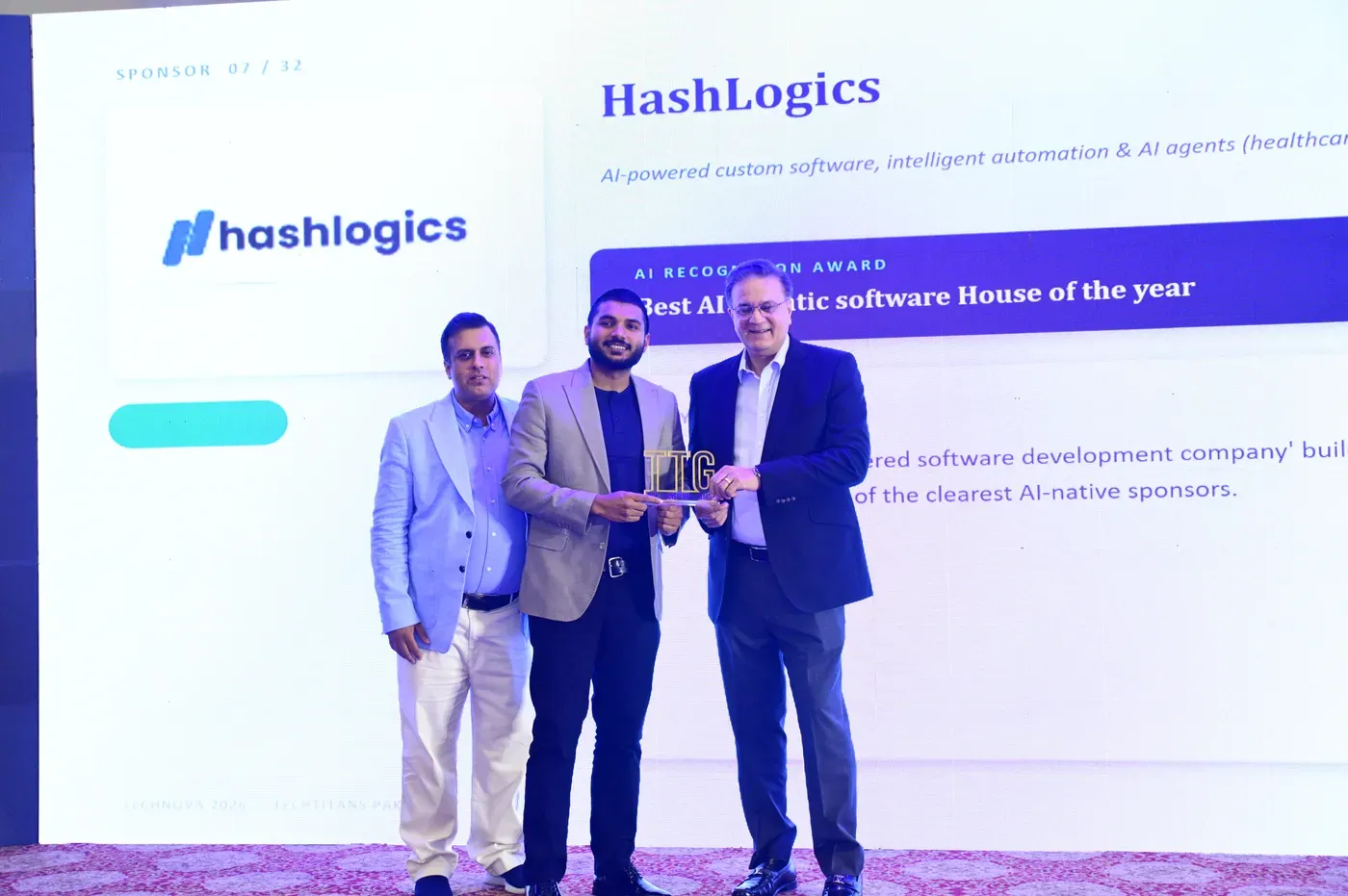
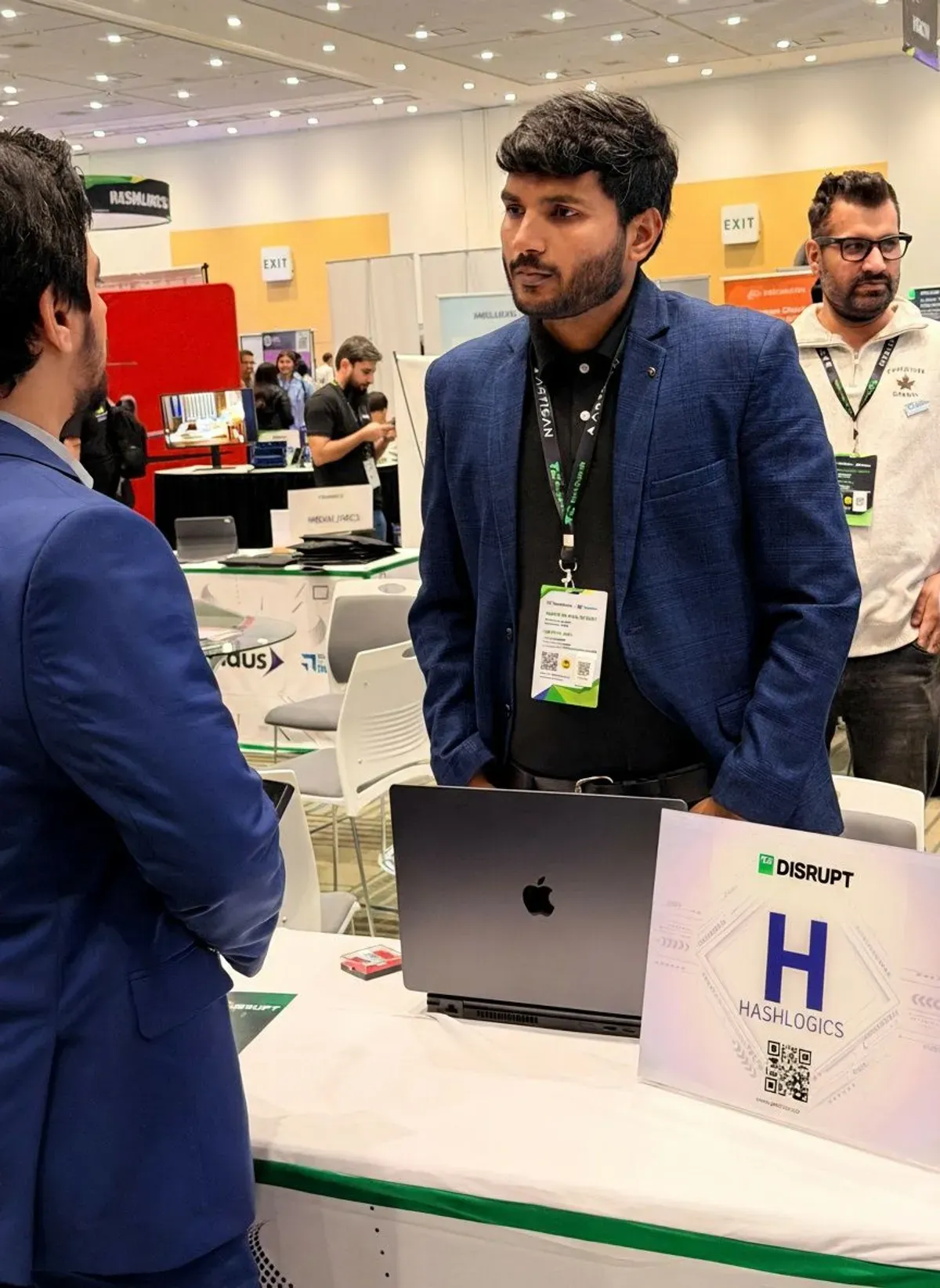
On stage, and on the floor
Common questions
01How senior are the engineers?+
Senior only. The work that decides whether a Claude system survives contact with users is judgement about failure modes, retrieval quality and evaluation design. That is not something we ask a junior engineer to learn on your project.
02Do we interview them ourselves?+
Yes, and we would be worried about any vendor who said otherwise. You meet the specific engineers before they start and you can decline any of them.
03Can they work with our existing team?+
That is the normal arrangement. They join your repository, your standups and your review process, and your engineers review their pull requests. Embedding is more useful than a black box that returns a finished build.
04What happens after launch?+
One of two things, agreed before we start. Either we stay under a defined service level, or we hand over to your team with the evaluation suite and the runbook, and train them on it. We do not disappear and leave the model unmonitored. The first 2 months of support and maintenance are free, with every build.
05Do you work with OpenAI models too?+
Yes. Most of our production AI work uses the OpenAI API, and several systems use both. Picking the model is an engineering decision that follows the problem, not a loyalty we bring with us.
Related
- Staff augmentation →How embedding an engineer in your team works.
- Hire AI developers →Broader than Claude: agents, retrieval and automation.
- Staff augmentation vs outsourcing →People you direct, or an outcome you buy.
- Best Claude development agencies →Five signals to check before you sign anyone.
- Claude API, reviewed →What the context window and rate limits cost us on PremiumAudit.
