


3PL software built for how you actually bill
Your WMS tracks inventory well, and it was never built to turn a receipt, a pick and eleven storage days into one invoice your client won't dispute. We build the layer around it: touches captured as events at the moment of work, storage counted from a daily snapshot, EDI exceptions queued instead of emailed, and the client portal every account now expects.
- 4.8 on Clutch across 22 reviews
- PremiumAudit.io: audit cycle cut 75%, calculation errors cut 95%
- In production for SmartREI, Tankaware, ZyloBase, KiwiWrite
What makes a 3PL different from a warehouse
3 things that decide this
- 01You don't sell space, you sell activity: a receipt, a pick, a pallet stored for a day, a pallet wrapped because a client asked. Off-the-shelf WMS platforms track inventory well and bill that activity badly, which is why your billing runs on a spreadsheet.
- 02Your rating logic has to hold different contract terms per client, sometimes per SKU or per zone, and change the week a client renegotiates rather than the next release. That belongs in configuration your client-success team edits, not in code.
- 03EDI 940 and 945 are how a client's ERP talks to your warehouse, and a malformed 945 makes a shipment look unfulfilled on their side. Validate the outbound transaction against your own pick record before it transmits, and the phantom shipment never reaches their accounts team.
On the record
What you can check before you call
4.8
Clutch rating from client reviews
4
countries our client work runs in: US, UK, Switzerland, Australia
2017
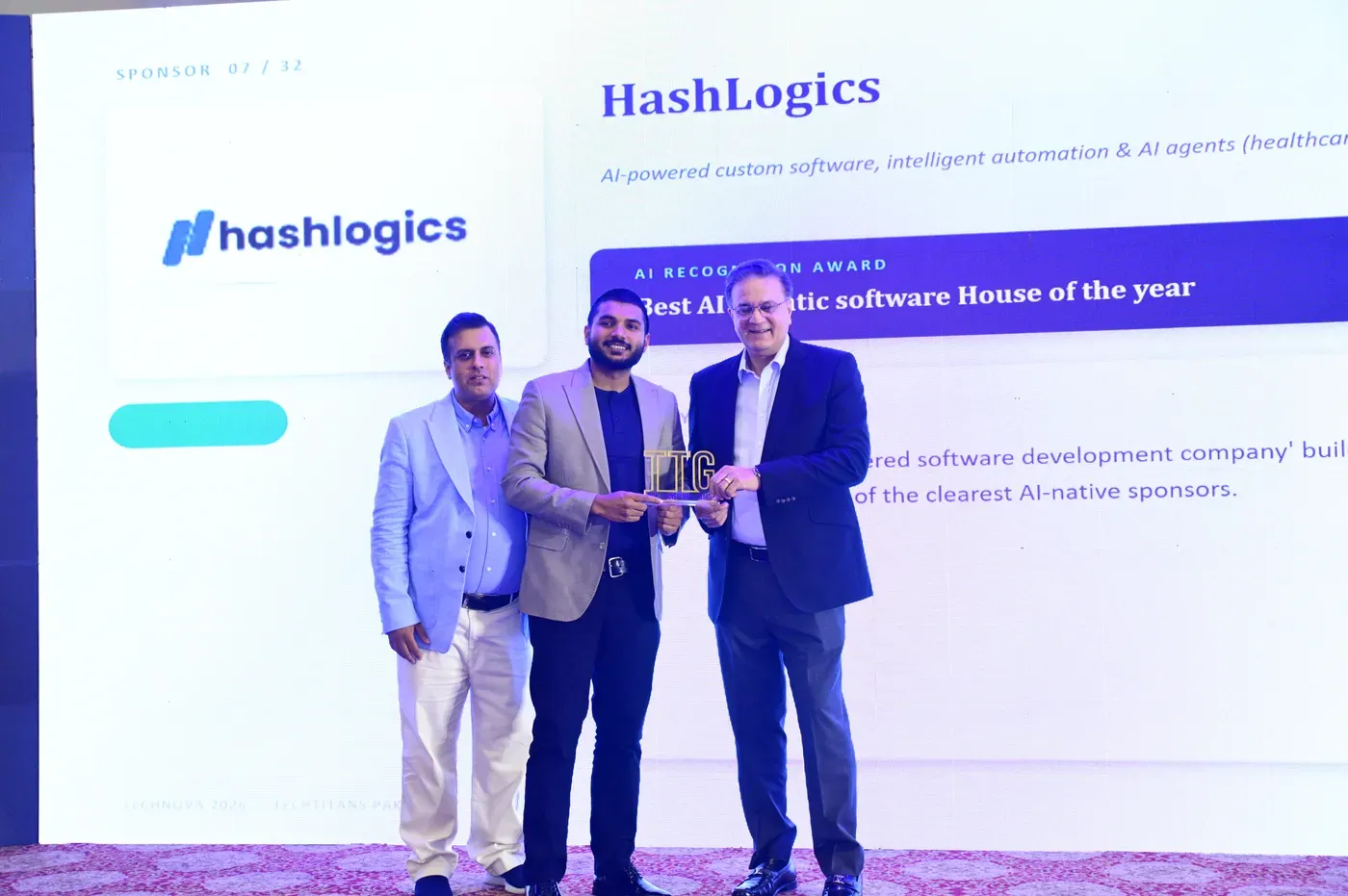
building since. TechNova 2026: Best AI-Native Software House of the Year
2 mo
of support and maintenance free after launch. NDA before the first call
Eight places a 3PL leaks time and margin, and what we put in each one
Eight areas our audits keep finding across warehousing and fulfilment operators, in the order a pallet meets them. Each links to the page that owns it.
The order typed once, by nobody
Client orders arrive by email, portal, spreadsheet and EDI 940, and somebody types them into your WMS and again into the billing sheet. An intake agent reads the document, validates the ship-to and the service level, creates the order, and queues what it can't resolve with the original attached.
Logistics automation →
Bill by the touch, not the guess
Every receipt, pick, storage day and accessorial becomes a billable event the moment it happens, tagged to that client's contract terms. Your invoice is then a query against events that already exist, rather than a reconstruction from a month-end report somebody reads with a rate card open beside it.
How to automate 3PL billing by the touch →
A storage count you can defend
A pallet arrives Tuesday and ships the next Wednesday, your invoice says eight days and your client's read of your portal says seven, and neither side stored the daily state. We snapshot storage per pallet per day, so a charge is a count of rows you can show them rather than a subtraction they have to trust.
How to automate 3PL billing by the touch →
Rate cards your client-success team can edit
A client renegotiates on the tenth and the change waits on a developer. We hold rate cards in configuration, versioned with effective dates, so the person who agreed the new terms enters them and every event after that date rates correctly without a deploy.
Logistics automation →
EDI exceptions queued, not emailed
940 in, 945 out, and a failed transaction currently surfaces as an email somebody forwards. We validate the outbound 945 against the WMS pick record before it transmits and put every failure in a queue with the reason and the fix, so a mismatch is caught on your side rather than on your client's.
Custom software for industrial operators →
Proof of what happened on the floor
A client disputes a short shipment and the evidence is a photo in a shared drive. We bind photo, count, time and the person who captured it to the receipt or the pick, keep the raw capture immutable, and post a correction as a new entry so the original still shows what was true that day.
Logistics automation →
Your WMS and their ERP, agreeing
The WMS and the client's NetSuite each believe a different number is right, and nobody wrote down which one owns what. We decide that first, on paper, then build the sync and a daily reconciliation so drift surfaces the same day instead of at month close.
Custom software for industrial operators →
Every client sees its own numbers
Clients now expect a portal your WMS doesn't ship: inventory, order status, the billing detail behind each line. We build it off the record you already keep, with each client isolated from every other. WAIQ, the operations and execution platform we built for a multi-site business, is that shape.
Custom software for industrial operators →
From the receipt to the invoice, and where the machine takes over
Four stations of a pallet's life through your warehouse. Pick your system to see what each step writes back; Manhattan, Blue Yonder, a client's NetSuite or your own WMS follow the same pattern to the depth your account exposes, and we confirm that during the audit.
Station 01 · The order that gets typed twice
- Today
- A client sends an order by email or a 940 lands in your EDI inbox, and your team types it into the WMS and again into the sheet billing runs off. One of those two carries a wrong service level, and you find out when the invoice is queried.
- What we automate
- An intake agent reads the email, the spreadsheet or the 940, validates the ship-to and the service level against that client's contract, creates the order, and queues anything ambiguous with the source document and the specific field flagged.
- What stays human
- A new client, a rate that doesn't match the contract or an address that won't validate goes to a person. Nothing is invented to make a record look complete.
Writes to McLeodOrder created against the client with the reference numbers preserved.
Station 02 · Receive, store and pick
- Today
- Your floor scans against the WMS all day, and the billing consequences of those scans get assembled weeks later from a report. Storage days come from subtracting two dates, and a pallet that moved bays on Thursday isn't in that arithmetic anywhere.
- What we automate
- Each receipt, putaway, pick and pack raises a billable event at the moment it happens, rated against that client's contract. A nightly job snapshots storage state per pallet, so a storage charge is a count of rows carrying a date and a pallet ID.
- What stays human
- A hold, a quarantine and a count discrepancy are decided by your floor supervisor. We record what happened and flag the mismatch; nobody's stock gets adjusted by software.
Writes to McLeodActivity events posted against the load or order for rating.
Station 03 · Ship, and the 945 that has to match
- Today
- A 945 goes out and any mismatch becomes your client's problem to find. Their ERP shows a shipment that never happened on their end, and the first you hear of it is a call from their accounts team a fortnight later.
- What we automate
- The outbound 945 is validated against your own pick and pack record before it transmits. A mismatch stops the transaction and lands in a queue with the reason, the line that failed and the fix, and the client sees the corrected advice rather than a phantom.
- What stays human
- Overriding a validation failure is a person's call, logged with a reason. An exception is never auto-cleared to make a queue look empty.
Writes to McLeodShipment and charges posted to the load record.
Station 04 · The invoice nobody disputes
- Today
- Someone pulls a WMS report at month end, applies the rate card by hand, and hopes the storage count matches what actually sat on the shelf. A handful of touches never make it onto an invoice at all, and every disputed line costs an afternoon.
- What we automate
- Your invoice is a query against billable events that already exist, each one traceable to the receipt, pick or storage day that created it. Anything that happened without being billed is flagged the same day, and every line drills down to the event behind it.
- What stays human
- Your controller releases the invoice and approves any adjustment. A billed event is never overwritten; an adjustment posts alongside it and both stay visible to the client.
Writes to McLeodCharges and accessorials posted for invoicing.
Each station links to the page that owns it. Releasing an invoice, waiving a charge and accepting a claim stay with a person at every one.
We don't replace your WMS. We build what it won't.
Your WMS answers one question extremely well: where is the inventory right now. Billing needs a harder one answered, which is what activity happened, on what date, against which client's contract. That's why so many 3PLs run a good WMS and a spreadsheet beside it, and why the spreadsheet is where the money leaks.
So the access model matters more than the badge on the login screen. Manhattan, Blue Yonder, a client's NetSuite, ShipStation and your own WMS each expose orders, inventory, activity and charges through APIs, EDI or scheduled extracts to different depths, and some gate that access behind a plan or a partner programme. We confirm exactly what your account exposes during the audit and design to it, and where the API stops we build an EDI exception queue or a reviewed queue your staff clear with one click instead of re-typing.
- 01Activity, shipment and charge write-back into your WMS, with the source document attached.
- 02Your WMS stays the system of record for inventory; where it disagrees with us, it wins.
- 03EDI 940 and 945 handled as transactions with an exception queue, not as email attachments and memory.
No software runs a line, releases a lot or dispatches a truck without a person. We write that down first.
A plant, a warehouse and a fleet sit under rules that don't bend for software: a line stops on a person's call, a food lot is released or held by QA, a load is tendered by a dispatcher, and the record (the traveler, the batch record, the POD) has to survive an auditor or a recall. So every build starts with a one-page map of what the software records, what it only proposes, and where a person signs.
What follows is simple to state, and we put it in writing. Alerts are designed to be trusted, which means few, specific and escalated; an alarm that cries every hour trains people to ignore it. Records are timestamped, immutable and gap-honest. Invoices, releases and tenders are approved by the person who owns them. And every automated touch is logged so an auditor, a customer or a regulator can read what happened, and when.
- 01Releases, tenders and invoices approved by a person; the software assembles, routes and chases.
- 02Alerts few and trusted; records immutable and gap-honest.
- 03A receipt, a pick and a billed event are immutable once captured; an adjustment posts alongside the original, and the client sees both.
“They will treat your vision like their own and build it that way.”
Ron Klabunde · Founder, SmartREI ↗
“TankAware has revolutionized how we manage petroleum sites. The real-time data and automation have exceeded expectations.”
Blake Sutherland · President, Sutherland Excavating Ltd.
Some of the systems we have shipped
- AuditFree. We read last month's invoices and the lines that got queried, your storage-day method, the touches that never reached a bill, and what your WMS will and won't expose.
- DiagnoseWe map the path into your ERP, TMS or WMS and accounting, and walk the floor or sit with dispatch for an afternoon.
- BuildFixed price from the diagnostic. Tested on your real orders, jobs and loads, under NDA.
- RunMonitoring, a named engineer, and the first two months of maintenance free.
Best fit: an operator with an ERP, TMS or WMS you've outgrown in places, more than one site or shift, and a month-end you can feel. Not a fit yet: a ten-person shop that needs its first system, and we'll say so. You can stop after any stage; the audit note is yours either way.
Before you book
01Can you build an activity-based rating engine?+
Yes. Each receipt, pick, storage day or accessorial becomes a billable event, tagged to that client's contract terms, the moment it happens. Your invoice is then a query against real events rather than a report assembled by hand at month end, and every line drills back to the event that created it. Rate changes live in configuration with effective dates, so a renegotiation doesn't wait on a developer.
02How do you stop a storage-day dispute?+
Snapshot storage state daily instead of subtracting two dates. A charge for eight storage days should be eight rows you can show the client, each carrying a date and a pallet ID. That's a record they can check, not an arithmetic claim they have to take on trust, and it ends the argument in a minute rather than an afternoon.
03Do you work with EDI 940 and 945?+
Yes. A 940 brings in a warehouse shipping order and a 945 confirms what actually shipped. We validate an outbound 945 against your own pick record before it transmits, so a mismatch lands in your queue with the failing line and the fix rather than surfacing as a phantom shipment on the client's ERP a fortnight later.
04Can you integrate our WMS with a client's NetSuite?+
To the depth your account and theirs expose, and we confirm that during the audit rather than promising it now. The first decision is which system owns each fact: inventory count, financial record, contract terms. Once that's written down we build the sync and a daily reconciliation, so drift shows up the same day instead of at month close.
05Will this replace our warehouse management system?+
No, and be cautious of anyone who offers to. Your WMS stays the system of record for inventory and wins any argument about a count. We build the rating, reconciliation, exception and portal layer around it, which is the part it was never designed to do well, and your team keeps the screens they already know.
06What does the free Load-to-Invoice Audit actually involve?+
An engineer reads last month's invoices and the lines your clients queried, how you count storage days today, the touches that never reached a bill, and what your WMS account exposes. You get a written note with the gaps and the shortest path through them. It's yours whether or not you hire us, and there's an NDA before the first conversation.
A senior engineer, not a sales rep
Abdul Basit founded Hashlogics in 2017, and the team runs from Lahore with a US LLC. Clients rate the work 4.8 on Clutch across 22 reviews, and in 2026 it was named Best AI-Native Software House of the Year at TechNova. Shift Link, the workforce-compliance and scheduling platform for regulated staffing, and WAIQ, the operations and execution platform for a multi-site business, are two of the systems we built and can show you.
Your audit call is with an engineer who has read travelers, load boards and month-end reconciliations like yours. Bring last month's numbers if you have them, and we'll work from those.
- NDA before the first conversation.
- No pitch on the call. A note you could hand to another firm.
- Fixed price after the diagnostic, so the number isn't a guess.
More for 3PLs
- Industrial: manufacturing, logistics and food →The hub: what we build across plants, warehouses and fleets.
- Logistics operators →The segment above this one: 3PLs, brokers and fleets.
- Logistics automation →Intake, carrier communications, tracking and billing.
- Custom software for industrial operators →Integration, client portals and the reporting your WMS won't build.
- Best billing software for 3PLs →Real vendors ranked, with us last as the custom option.
- How to automate 3PL billing by the touch →Billable events, daily snapshots and the rate card.
- How to stop re-keying orders into your TMS and ERP →What an intake agent reads, and what it must refuse to guess.
- Business process automation →The service behind the rating, reconciliation and exception work.
