


AI, automation and custom software for manufacturers, built around the ERP you already run
You keep NetSuite, Epicor, JobBOSS, SAP Business One or whatever you run. We build the layer around it: the customer order typed once, the quote that reaches the schedule without a phone call, job 4471 findable from a screen instead of a walk, the traveler that becomes a record, and the margin you know before the job ships. Then we keep it running.
- 4.8 on Clutch across 22 reviews
- PremiumAudit.io: audit cycle cut 75%, calculation errors cut 95%
- In production for SmartREI, Tankaware, ZyloBase, KiwiWrite
What changes on your floor and in your month-end
3 things that decide this
- 01Orders stop being re-keyed. An intake agent reads the emailed PO, the PDF or the EDI 850, writes the order into your ERP with the part numbers matched, and queues anything it can't match for a person instead of guessing at it.
- 02You stop walking the floor to answer where a job is. Shop-floor capture and machine signals put the traveler, the operation and the work centre on a screen, and the alerts are designed to be few enough that your team still trusts them.
- 03Your numbers arrive before the argument does. Job costing joins the ERP, the time capture and your accounting into live margin per job, OEE from the machine data you already generate, and an invoice that goes out when the job ships rather than when somebody finds the traveler.
On the record
What you can check before you call
4.8
Clutch rating from client reviews
4
countries our client work runs in: US, UK, Switzerland, Australia
2017
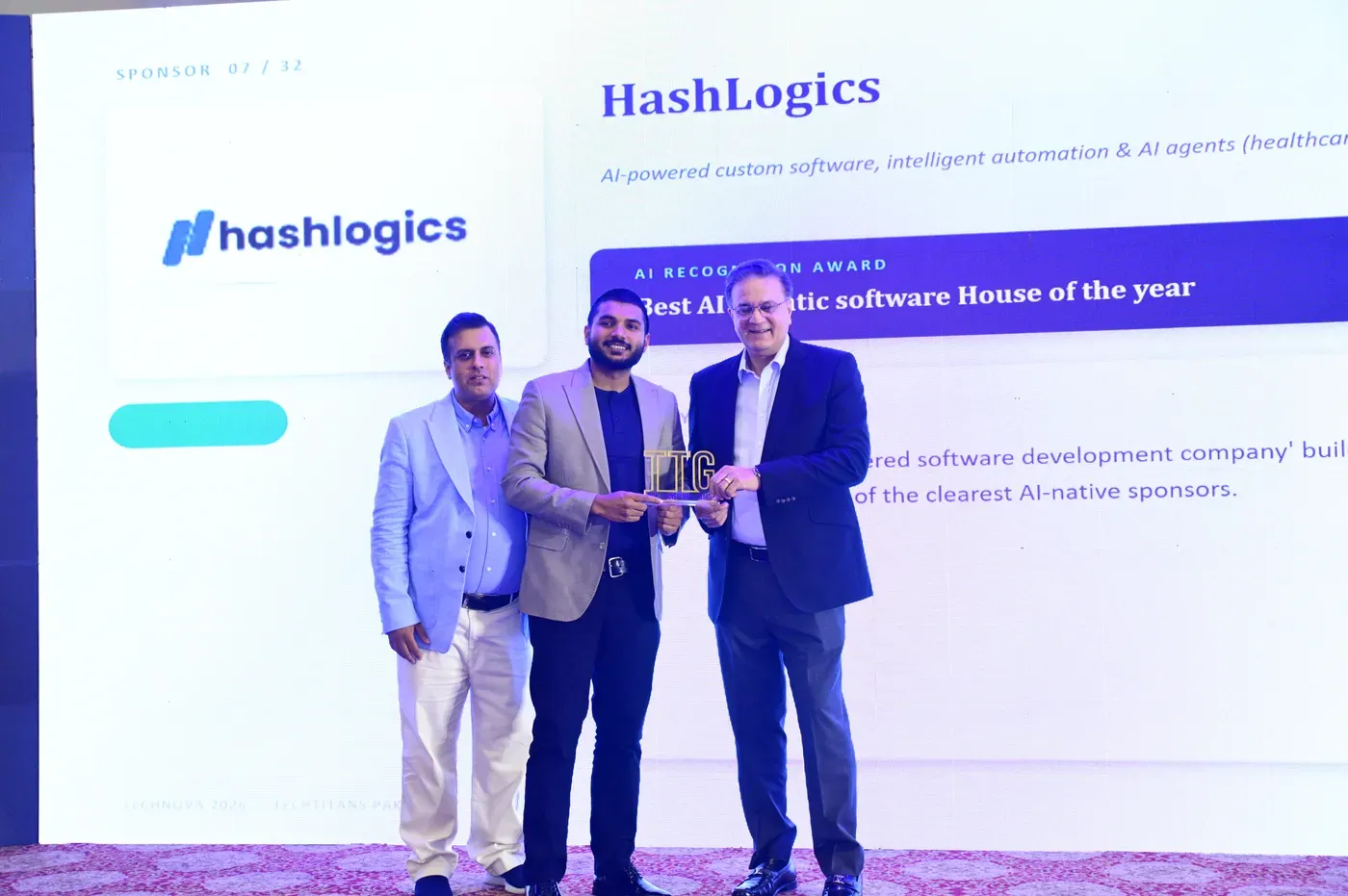
building since. TechNova 2026: Best AI-Native Software House of the Year
2 mo
of support and maintenance free after launch. NDA before the first call
Eight places a plant leaks time and margin, and what we put in each one
Eight areas our audits keep finding in plants of twenty to five hundred people, in the order a job meets them. Each links to the page that owns it.
The order typed once, by nobody
A customer PO arrives as an email, a PDF attachment or an EDI 850, and somebody types it into the ERP, then again into the scheduling board, then again into a spreadsheet that finance trusts. We put an intake agent in front of it: it reads the document, matches part numbers against your item master, creates the order, and queues what it can't match rather than inventing a line.
Custom software for industrial operators →
The quote that reaches the schedule
Your quoting logic lives in one estimator's head and their spreadsheet, and the handoff to scheduling is a conversation. We build quoting off your own routers, rates and job history, then push the accepted quote straight into the ERP as a job with operations and a due date, so nothing is retyped between the yes and the floor.
Shop-floor automation →
Where is job 4471, answered from a screen
Right now that question is answered by walking, and the traveler gets re-typed at end of shift by whoever is still standing. We build shop-floor capture on tablets and scanners that survive gloves and a dropped network, plus plant telemetry with alerts your team still trusts. We've shipped that telemetry pattern, and the alert design is the reason people keep reading them.
Shop-floor automation →
Turn the traveler into a record
Paper travelers, inspection sheets and first-article checks hold the facts an auditor or a customer will ask for, and none of them join to the next without a person reading pages. We digitise the record where it's already written, keep the raw capture immutable, and make a correction a new entry rather than an overwrite.
Shop-floor automation →
The invoice that leaves when the job does
Your invoice waits on a traveler that's still in a tote, and by the time it goes out you're a week into somebody else's payment terms. We build invoice-on-ship off the ERP event, flag the jobs that shipped and never billed, and write the result back to QuickBooks or whatever your accounting runs on.
Custom software for industrial operators →
The margin you know before it ships
Real margin per job shows up weeks later in a reconciliation, and OEE lives in a spreadsheet somebody updates on Fridays. We join your ERP, your time capture, your machine data and your accounting into live job costing and an OEE number that comes from the line rather than a guess, read-only against the systems that own each fact.
Shop-floor automation →
One integration layer, not five vendor quotes
Every integration you've priced came back as a project: the ERP to the MES, the MES to the label printer, EDI exceptions handled by email and memory. We build one layer that uses the APIs where they exist, scheduled extracts where they don't, and a reviewed queue your staff clear with a click where neither is on offer.
Custom software for industrial operators →
Every customer and every plant sees its own numbers
Customers want a portal your ERP doesn't ship, and a second plant runs the same job a different way. We build the customer portal off the record you already keep and a multi-site operating layer with standard work and a dashboard per site. WAIQ, the operations and execution platform we built for a multi-site business, is that shape.
Custom software for industrial operators →
From the purchase order to the invoice, and where the machine takes over
Four stations of a job's life through your plant. Pick your system to see what each step writes back; Fishbowl, Katana, Global Shop, ProShop or your own ERP follow the same pattern to the depth your account exposes, and we confirm that during the audit.
Station 01 · The PO that gets typed four times
- Today
- A customer PO lands as an email or a PDF at 4pm. Your CSR types it into the ERP, then onto the scheduling board, then into the spreadsheet finance actually trusts, and one of those three ends up wrong by a revision.
- What we automate
- An intake agent reads the email, the attachment or the EDI 850, matches part numbers and revisions against your item master, creates the sales order and the job, and queues anything ambiguous for review with the source document attached.
- What stays human
- A new part, a price that doesn't match the contract or a revision your master doesn't carry goes to a person. It never invents a part number.
Writes to NetSuiteSales order and work order created, customer PO attached to the record.
Station 02 · Quote to schedule
- Today
- Your estimator quotes from history and instinct, the customer says yes on a Thursday, and the job reaches scheduling when somebody walks the paperwork over. Two days of the promised lead time are gone before the first setup.
- What we automate
- Quoting runs off your own routers, rates and past jobs, so the number is defensible. On acceptance the quote becomes a job with operations, work centres and a due date, and the schedule is proposed against real capacity and material availability.
- What stays human
- Your price and your promise date stay yours. Our scheduler proposes; your planner accepts, moves or overrides it, and the reason is logged.
Writes to NetSuiteWork order with operations and a scheduled start date.
Station 03 · Where is job 4471
- Today
- Somebody walks the floor. Travelers are marked up in pencil and typed in at end of shift, so your ERP is honest about yesterday and guessing about right now. A hot job gets found by asking three people.
- What we automate
- Operators clock operations on a tablet or a scanner that keeps working when the network drops, machine signals feed run, idle and down states, and the board shows every open job by work centre with the late ones surfaced. Alerts are deduplicated so one condition raises one alert.
- What stays human
- Stopping a line, scrapping a part and calling a job late are decisions a person makes. Software shows the state and raises the flag; nobody's shift is run by a dashboard.
Writes to NetSuiteOperation completions and quantities posted against the work order.
Station 04 · The margin and the invoice
- Today
- You learn what a job really made during a reconciliation weeks later, when the labour, the material and the outside process finally land in the same place. Invoices wait on the traveler, and a few jobs ship and never get billed at all.
- What we automate
- Job costing joins the ERP, the shop-floor time, purchased material and your accounting into live margin per job, with OEE from the machine data. An invoice is raised on the ship event, and anything that shipped without billing is flagged the same day.
- What stays human
- Your controller approves the invoice and the credit. We assemble, route and chase; nobody's invoice goes out on the software's say-so.
Writes to NetSuiteInvoice drafted from the fulfilment, with job costs rolled up.
Each station links to the page that owns it. A line stop, a scrap call and a hold stay with a person at every one.
We don't replace NetSuite, Epicor, JobBOSS or whatever you run. We build what they won't.
Every manufacturing ERP is good at the job it was sold for, and plant managers describe the same four gaps to us over and over: the order typed four times, the job nobody can locate, the traveler that never becomes data, the margin that arrives late. Replacing the ERP doesn't close those gaps. It moves them, and it costs you eighteen months of everyone's attention while it does.
So the access model matters more than the badge on the login screen. NetSuite, Epicor, JobBOSS, SAP Business One, Fishbowl, Katana and the rest each expose items, orders, jobs, routings and costs through APIs, connectors or scheduled extracts to different depths, and some gate that access behind a plan or a partner programme. We confirm exactly what your account exposes during the audit and design to it, and where the API stops we build a reviewed queue your staff accept with one click instead of re-typing.
- 01Order, job and completion write-back into your ERP, with the source document attached.
- 02Your ERP stays the system of record; where it disagrees with us, it wins.
- 03Where no API exists, a scheduled extract or a reviewed queue, never a screen-scrape nobody maintains.
No software runs a line, releases a lot or dispatches a truck without a person. We write that down first.
A plant, a warehouse and a fleet sit under rules that don't bend for software: a line stops on a person's call, a food lot is released or held by QA, a load is tendered by a dispatcher, and the record (the traveler, the batch record, the POD) has to survive an auditor or a recall. So every build starts with a one-page map of what the software records, what it only proposes, and where a person signs.
What follows is simple to state, and we put it in writing. Alerts are designed to be trusted, which means few, specific and escalated; an alarm that cries every hour trains people to ignore it. Records are timestamped, immutable and gap-honest. Invoices, releases and tenders are approved by the person who owns them. And every automated touch is logged so an auditor, a customer or a regulator can read what happened, and when.
- 01Releases, tenders and invoices approved by a person; the software assembles, routes and chases.
- 02Alerts few and trusted; records immutable and gap-honest.
- 03A traveler, an inspection record and a first article are immutable once captured; a correction is a new entry.
“They will treat your vision like their own and build it that way.”
Ron Klabunde · Founder, SmartREI ↗
“TankAware has revolutionized how we manage petroleum sites. The real-time data and automation have exceeded expectations.”
Blake Sutherland · President, Sutherland Excavating Ltd.
Some of the systems we have shipped
- AuditFree. We read last month's orders and how each one arrived, your late jobs and why, the hours your team spends re-keying, and what your ERP will and won't expose.
- DiagnoseWe map the path into your ERP, TMS or WMS and accounting, and walk the floor or sit with dispatch for an afternoon.
- BuildFixed price from the diagnostic. Tested on your real orders, jobs and loads, under NDA.
- RunMonitoring, a named engineer, and the first two months of maintenance free.
Best fit: an operator with an ERP, TMS or WMS you've outgrown in places, more than one site or shift, and a month-end you can feel. Not a fit yet: a ten-person shop that needs its first system, and we'll say so. You can stop after any stage; the audit note is yours either way.
Before you book
01Do we have to leave NetSuite, Epicor, JobBOSS or whatever we run?+
No, and we'd usually tell you not to. Your ERP holds your items, your costs and years of job history, and your team knows it. We build the layer around it: the intake that writes orders into it, the floor capture that posts completions to it, the costing and the portal it doesn't ship. We only suggest replacing a system when it genuinely can't do the job, and we'll show you the specific thing it can't do.
02Have you integrated with our ERP before?+
Not with yours, and we won't claim we have. What we've shipped repeatedly is the integration problem itself: deciding which system owns each fact, working to the depth an account actually exposes, and building a reviewed queue where the API stops. During the audit we check what your NetSuite, Epicor, JobBOSS or SAP Business One account exposes and design to that, rather than to a brochure.
03Will shop-floor capture survive a dropped network?+
Yes, and it has to. Your operators complete the operation, scan the part and take the photo with no connection, and the record queues until there's a link. We store the time the work happened separately from the time it synced, so a shift worked in a dead corner of the plant doesn't read as a late entry to whoever reviews it.
04Our last alerting project ended with everyone ignoring the alerts. Why is this different?+
Because alert design is the build, not a setting at the end of it. One condition raises one alert, alerts during a scheduled changeover are suppressed, and we track how often each alert was right as a number you can see. When that number drops we treat it as an incident. We've shipped plant telemetry with alerts a team still trusts, and this is what that took.
05How small a plant is worth doing this for?+
You need an ERP or a system you've outgrown in places, more than one shift or one line, and a month-end you can feel. Below that, a ten-person shop buying its first system is better served by an off-the-shelf package, and we'll say so on the call rather than sell you a build you don't need yet.
06What does the free Floor-to-Invoice Audit actually involve?+
An engineer reads last month's orders and how each one arrived, your late jobs and the reason each one slipped, the hours your team spends re-keying between systems, and what your ERP account exposes. You get a written note with the gaps and the shortest path through them. It's yours whether or not you hire us, and there's an NDA before the first conversation.
A senior engineer, not a sales rep
Abdul Basit founded Hashlogics in 2017, and the team runs from Lahore with a US LLC. Clients rate the work 4.8 on Clutch across 22 reviews, and in 2026 it was named Best AI-Native Software House of the Year at TechNova. Shift Link, the workforce-compliance and scheduling platform for regulated staffing, and WAIQ, the operations and execution platform for a multi-site business, are two of the systems we built and can show you.
Your audit call is with an engineer who has read travelers, load boards and month-end reconciliations like yours. Bring last month's numbers if you have them, and we'll work from those.
- NDA before the first conversation.
- No pitch on the call. A note you could hand to another firm.
- Fixed price after the diagnostic, so the number isn't a guess.
More for manufacturers
- Industrial: manufacturing, logistics and food →The hub: what we build across plants, warehouses and fleets.
- Shop-floor automation →Scheduling, floor capture, machine data and OEE.
- Custom software for industrial operators →Integration, portals and the reporting your ERP won't build.
- Food and beverage processors →Lots, batch records and the FSMA 204 trace.
- Best MES software for small manufacturers →Real vendors ranked, with us last as the custom option.
- NetSuite, Epicor and SAP B1 integration: what a real build involves →Access models, plan gates and what they mean for scope.
- Where is job 4471? The question a plant answers by walking →Why floor visibility is a capture problem before it's a dashboard problem.
- AI agents →The agents that read your POs and chase your suppliers.
